Recognize and effectively relieve hemorrhoid symptoms
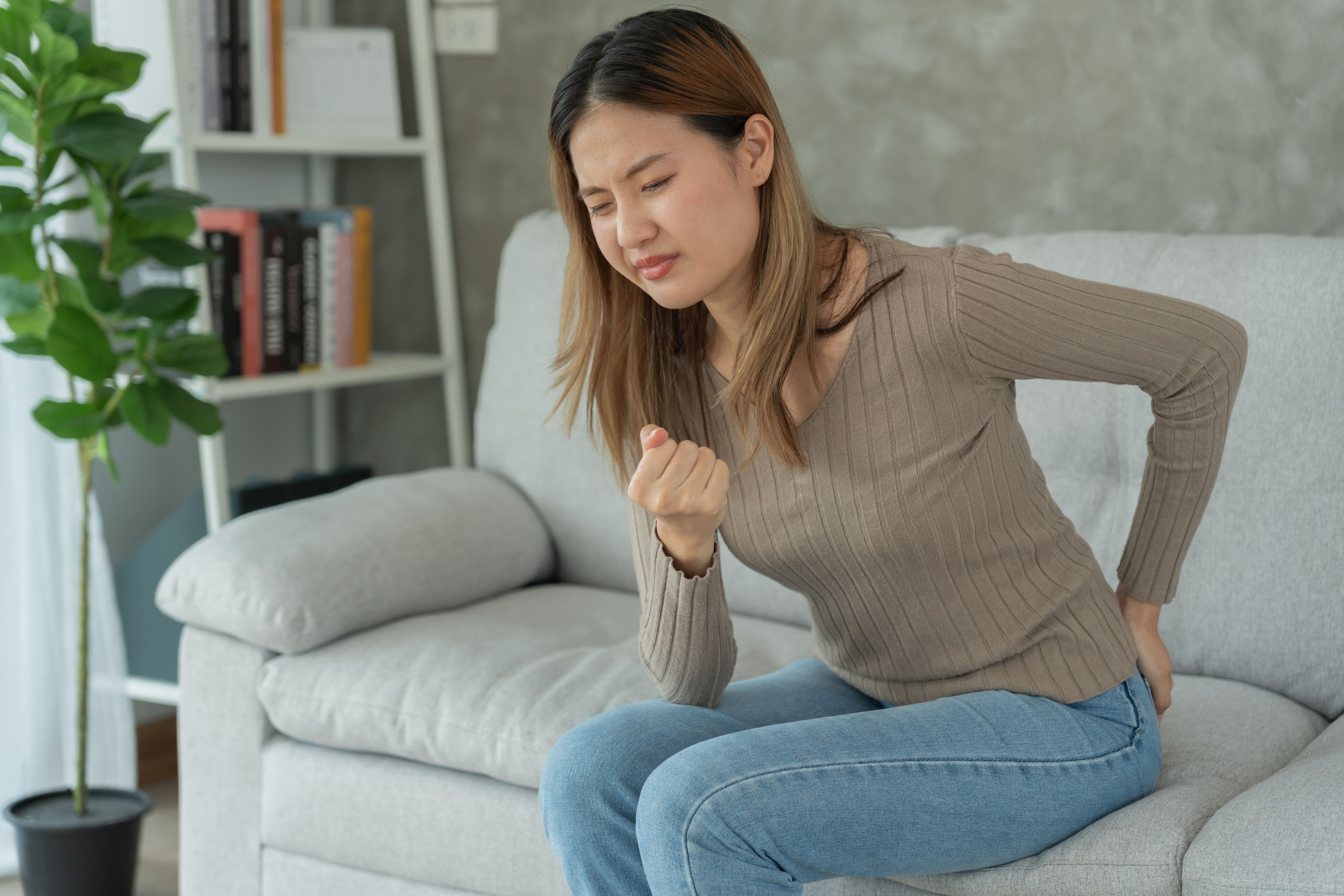
There are many ways to ease hemorrhoid symptoms and to relieve pain, including home remedies, lifestyle changes, pain medications, and topical treatments.
How do you know if you have hemorrhoids?1,2
Hemorrhoids, also called piles, are a common and often uncomfortable condition affecting millions of people worldwide, especially older people. Indeed, they affect over half of people over the age of 50.
Similar to varicose veins, they are swollen and inflamed veins, located in the lowest part of your rectum and anus. They can be internal – situated inside the rectum – or external – situated under the skin around the anus.
You can assume you have piles by recognizing typical hemorrhoid symptoms:
- Pain: you may feel pain or burning, especially when you are sitting or pooping
- Itching: you may notice itching or irritation around your anus
- Lumps: some people see or feel one or more hard, tender lumps in the anal area
- Bleeding: this is often the only symptom of internal hemorrhoids
Are there differences between internal and external hemorrhoid symptoms?1,2
Yes, symptoms of piles can vary depending on whether they are internal or external.
- Internal hemorrhoids are usually painless. Although they may have no symptoms, they can cause bleeding during bowel movements. You might notice small amounts of bright red blood in your poop, on toilet paper after you wipe, or in the toilet bowl after you go.
- External hemorrhoid symptoms may include pain or discomfort while sitting, bleeding during bowel movements, itching or irritation of the anal area, or swelling around the anus.
What causes hemorrhoid symptoms?1,2
To relieve symptoms of piles, it is important to understand what causes them. Various factors can contribute to the development of hemorrhoids, including:
- Straining during bowel movements: this is one of the most common causes. Straining can put excess pressure on the veins in the rectal area
- Chronic constipation or diarrhea: both conditions can cause straining and irritation of the rectal veins
- Sitting for prolonged periods: prolonged sitting, especially on the toilet, can increase pressure on the veins in the anus
- Pregnancy: increased pressure on the pelvic blood vessels during pregnancy can lead to hemorrhoids
- Aging: as tissues weaken with age, the risk of hemorrhoids increases
- Heavy lifting: regularly lifting heavy objects can strain the veins in the rectal area
- Extra weight and obesity
- A diet low in fiber
- Anal sex
- Coughing, sneezing, and vomiting could make hemorrhoids worse
Are there effective strategies to relieve hemorrhoid symptoms?1-4
While they can be painful and inconvenient, hemorrhoids are usually not serious and can often be treated effectively.
-
Home remedies
Simple lifestyle changes can often relieve mild symptoms of piles within 2-7 days. These include:
-
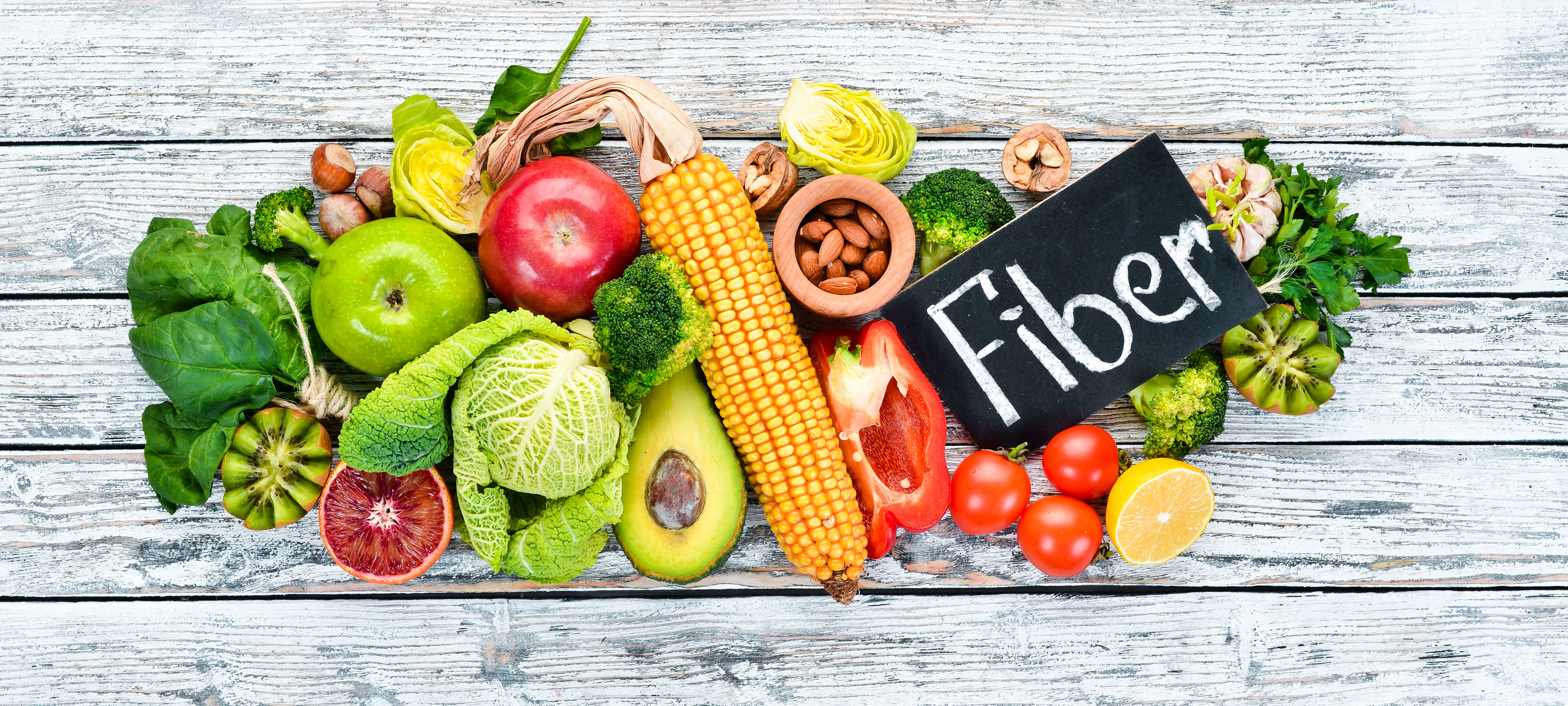
Add fiber to your diet with over-the-counter supplements and foods such as fruit, vegetables, and grains. Fiber makes it easier to pass a bowel movement.
- Try not to strain during bowel movements. Forcing yourself to poop can make your hemorrhoids feel worse or even cause them.
- Try to go to the bathroom as soon as you feel the urge since it may be more difficult if you wait.
- Avoid sitting on the toilet for more than 5-10 minutes since it could make your pain worse. If you cannot go now, do not try to force it.
- Drinking more water can make it easier to poop. Indeed, water combines with the fiber and waste in your digestive system and helps soften your stool. Aim to have 8 glasses of water during the day.
- Cut back on alcoholic and caffeinated beverages, as alcohol and caffeine can stress out your body and make your hemorrhoids feel more painful.
- Warm baths, either in a fully filled tub or a sitz bath, for 20 minutes several times a day may make you feel better. The heat from the water helps reduce swelling and relieve itching, irritation, and sphincter muscle spasms.
- Cooling the perianal area with an ice pack can reduce pain, discomfort, and swelling. You can use the ice pack over your clothes or wrapped in a towel directly against your skin, for up to 15-20 minutes at a time, to bring down your swelling and ease your discomfort.
- Exercise for 30 minutes 4-5 times a week so you do not get constipated, as exercise makes it easier to pass bowel movements. Try a variety of workouts, such as biking, jogging, or swimming, to exercise your entire body.
- Sit on a hemorrhoid cushion or other soft surface rather than a hard chair to reduce discomfort. This can ease swelling of hemorrhoids and prevent new ones.
- Over-the-counter pain relief such as aspirin can help when your hemorrhoids hurt.
- Take care not to wipe too hard after using the bathroom to avoid irritation. Using damp toilet paper or baby wipes can make things easier. Avoid heavily scented wipes.
- Apply witch hazel ointment to your hemorrhoids up to four times daily for 1 week to help reduce swelling.
-
-
Nonsurgical treatments
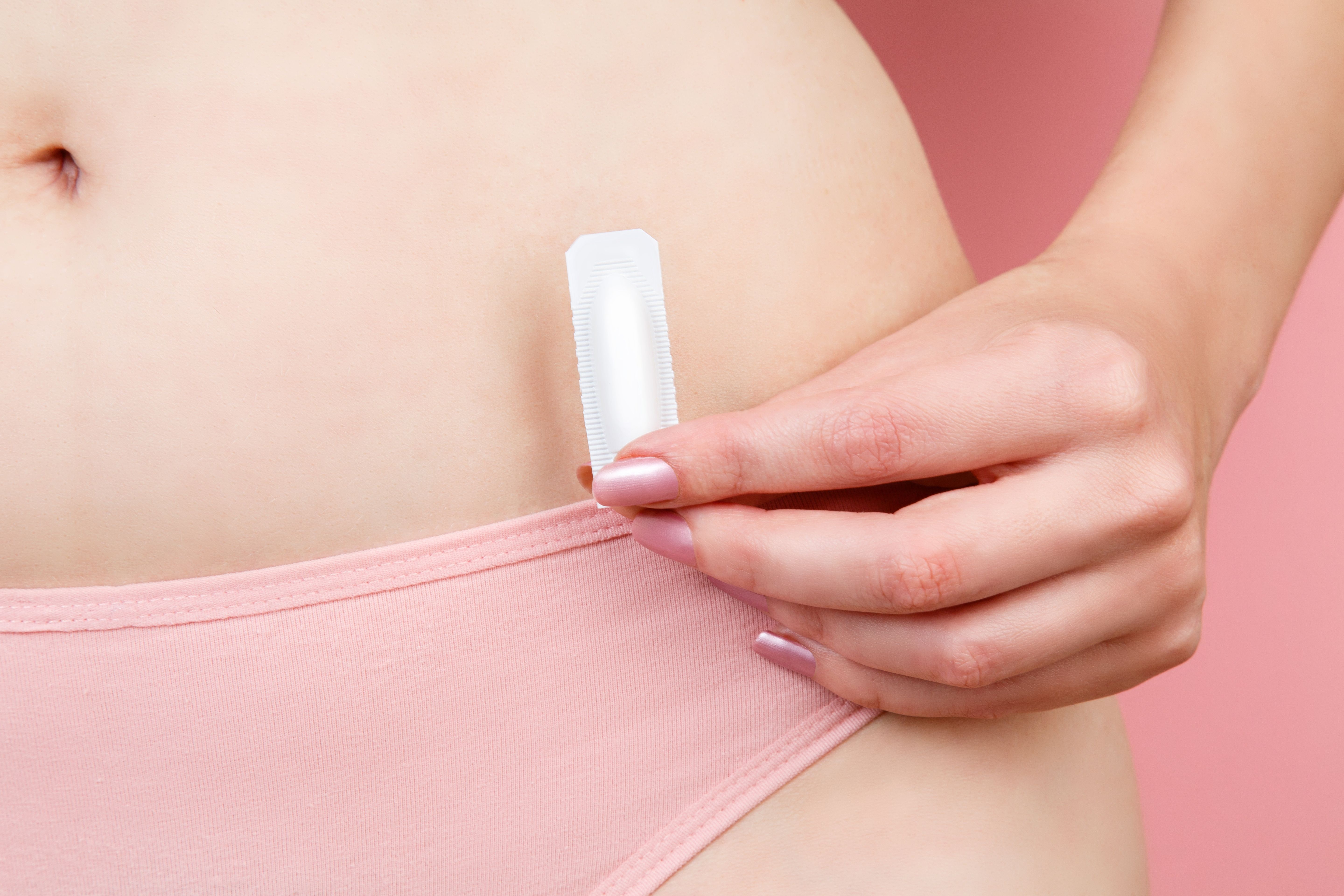
Over-the-counter creams, pads, and suppositories temporarily ease pain, swelling, and itching. Most contain ingredients such as lidocaine or hydrocortisone.
-
Surgical treatments
If you have large hemorrhoids, or if other treatments haven't helped, you might need surgery or another procedure to remove or shrink them. Your doctor may:
-
Inject the hemorrhoid with a chemical that shrinks it
-
Use a laser to seal off the vessels that provide blood to the hemorrhoid
-
Place a tiny rubber band around it to block its blood supply
- Use a staple to cut off its blood flow
- Remove it if it is especially large or keeps coming back. This surgery is called hemorrhoidectomy.
-
Are there specific treatments for internal hemorrhoids?2
Treatment of internal hemorrhoids can include:
- Over-the-counter medications, over-the-counter preparations, witch hazel pads, or sitz baths can help with discomfort and itching
- Hemorrhoidal banding: this painless procedure can be performed in the surgery
- Hemorrhoidectomy: surgical removal of hemorrhoids is often reserved for refractory symptoms, grade 3 or 4 internal hemorrhoids, or external hemorrhoids.