What you need to know about the causes of high cholesterol
High cholesterol is when you have too much of this fatty substance in your blood. As your diet affects it, learn which foods to choose and which to avoid.
What are the causes of high cholesterol?1-3
Cholesterol is a waxy substance found in your blood, which your body needs to build healthy cells. Elevated levels of cholesterol can increase your risk of heart disease. Young children can have unhealthy cholesterol levels, but it is much more common in people over 40. As you age, your liver becomes less able to remove cholesterol. High cholesterol can also be inherited, but it is often the result of unhealthy lifestyle choices, which make it preventable and treatable. Indeed, the main causes of high cholesterol are as follows:
- Eating fatty food: eating too much saturated fat, which is found in fatty cuts of meat and full-fat dairy products, or trans fats, which are often found in packaged snacks or desserts, can result in unhealthy cholesterol levels
- Not exercising enough
- Being overweight / obese
- Smoking and drinking alcohol
Medical conditions that can cause unhealthy cholesterol levels include the following:
- Chronic kidney disease
- HIV/AIDS
- Hypothyroidism
- Lupus
Cholesterol levels can also be worsened by some types of medications, such as treatments for the following:
- Acne
- Cancer
- HIV/AIDS
- Irregular heart rhythms
- Organ transplants
What are the differences between good cholesterol and bad cholesterol?1,2
Cholesterol is carried through your blood, attached to proteins. This combination of proteins and cholesterol is called a lipoprotein. There are 2 types of cholesterol, good cholesterol and bad cholesterol, based on what the lipoprotein carries. These 2 types are as follows:
- High-density lipoprotein or HDL: the "good" cholesterol, which picks up excess cholesterol and takes it back to your liver.
- Low-density lipoprotein or LDL: the "bad" cholesterol, which transports cholesterol particles throughout your body. LDL cholesterol builds up in the walls of your arteries, making them hard and narrow.
High cholesterol can cause a dangerous accumulation of cholesterol and other deposits on the walls of your arteries, which is called atherosclerosis. These deposits or plaques can reduce your blood flow through your arteries, which can cause complications, such as the following:
- Chest pain: if the coronary arteries that supply your heart with blood are affected, you might have chest pain, or angina, and other symptoms of coronary artery disease.
- Heart attack: if plaques tear or rupture, a blood clot can form at the plaque-rupture site, blocking the flow of blood or breaking free and plugging an artery downstream. If blood flow to part of your heart stops, you will have a heart attack.
- Stroke: like a heart attack, a stroke occurs when a blood clot blocks blood flow to part of your brain.
What are the foods that have high cholesterol?1-4
You can lower your cholesterol by getting more exercise and eating healthy. Indeed, certain foods can cause your bad cholesterol level to rise higher than normal. On the other hand, other foods can help lower it. Knowing which foods to eat and which foods to avoid can help you manage your cholesterol levels and lower your risk of heart disease.
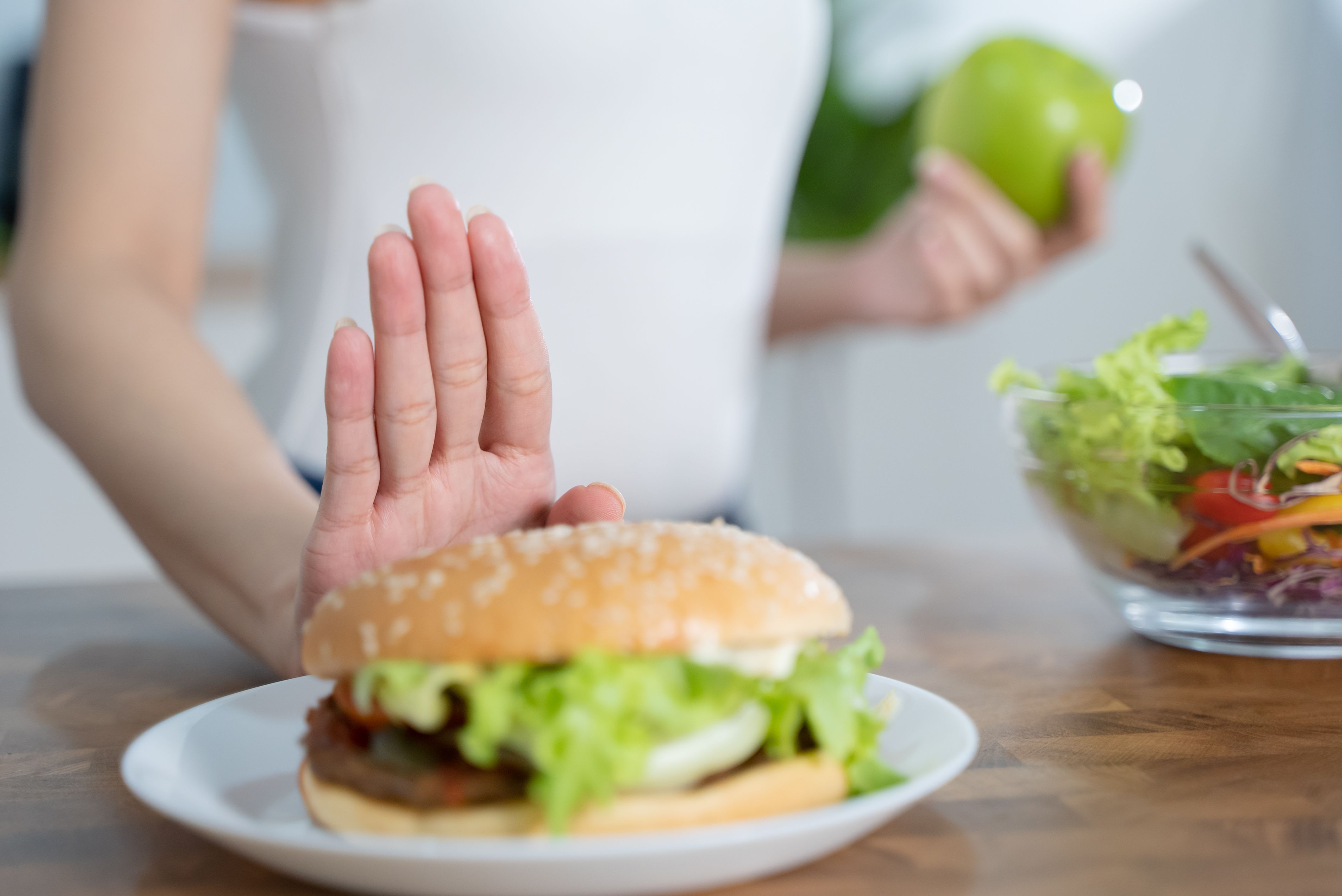
Limit the foods that have high cholesterol, which are foods high in saturated fat and foods with trans fat. These are described as follows:
- Saturated fat is a type of fat that is solid at room temperature. Common sources of saturated fat include processed meat, including hot dogs, sausage, bacon, and pepperoni; fatty cuts of meat, including ribs, poultry with the skin, and highly marbled meat; full-fat dairy products, including butter, heavy cream, cream cheese, and sour cream; coconut oil and palm oil, and fried food.
- Trans fat is a combination of liquid vegetable oil and hydrogen. Traditionally, fast foods and processed foods had been major sources of trans fat in people’s diets, as those foods contained partially hydrogenated oils, which gain trans fat through the manufacturing process. However, in 2018, the use of partially hydrogenated oils has been banned in food. But it does not mean fast foods and processed foods are harmless. They may be high in saturated fat and still contain trans fat due to their cooking method, such as frying. Your body does not need any trans fat. It harms your body, and its food sources have no health benefits. So, it is best to completely avoid it, if possible. To limit trans fat in your diet, avoid eating fast food, fried food, and commercial baked goods, such as cookies, doughnuts, and pastries.
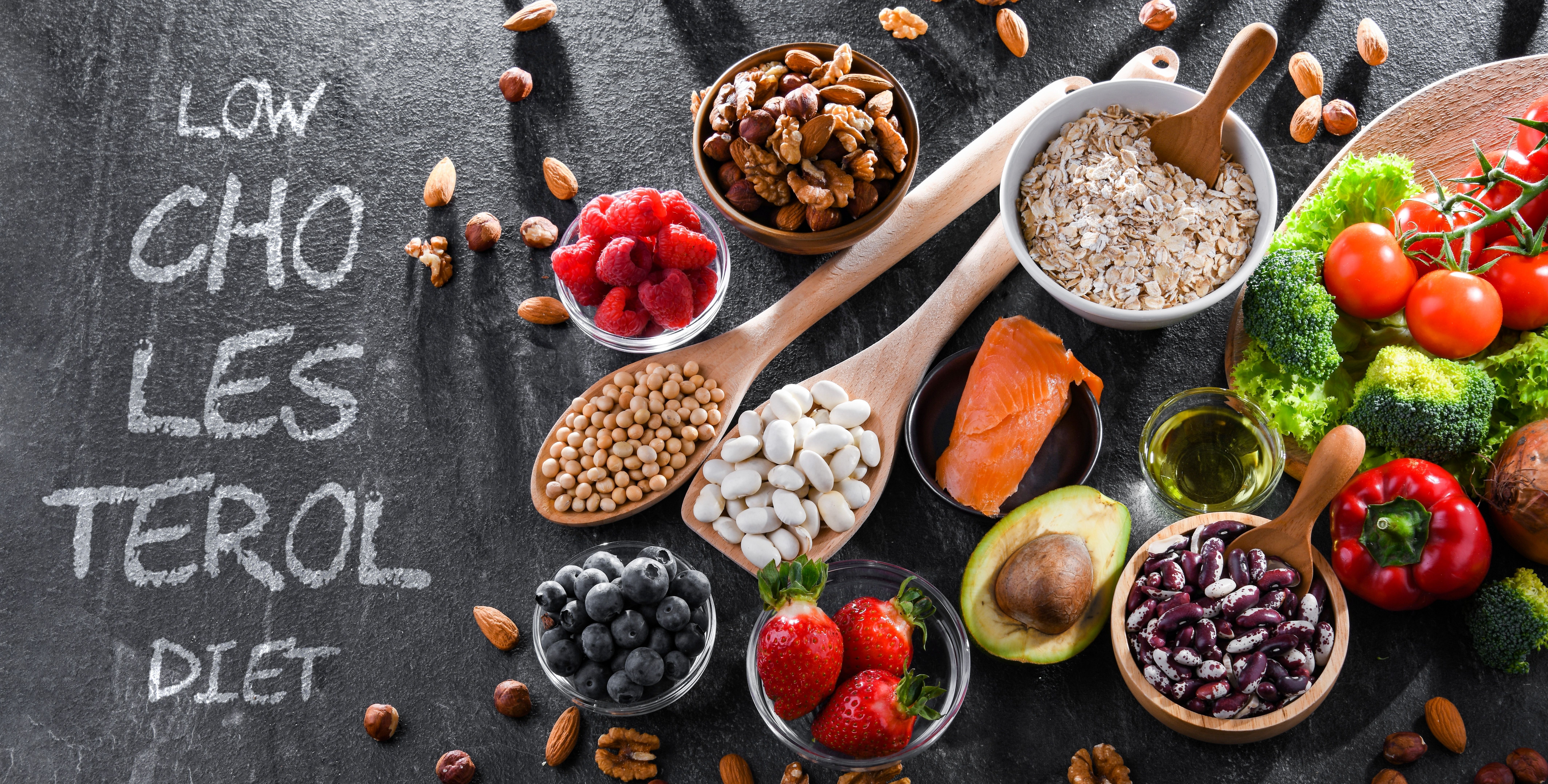
Focus on foods that can help lower high cholesterol: some ingredients help lower your LDL cholesterol. The main one to know is soluble fiber. This is a form of fiber which is water-soluble and binds around bile, which is composed of cholesterol, and removes it with your body’s waste. Aim for 10 to 25 grams of soluble fiber per day. To do so, you may add more soluble fiber to your diet by eating dried beans, lentils, and split peas; apples, blackberries, and citrus fruits; oats and oat bran; and brown rice.
Eat balanced meals: when trying to reach healthy cholesterol levels with your diet, it is important to eat meals that contain a balance of fruits, vegetables, grains, protein, dairy/dairy alternatives, and fats. Here are tips to cook in ways that support your healthy eating plan:
- Add more fish to your meals, such as oily fish, like mackerel and salmon. Try for at least 226 g per week, and do not fry it!
- Avoid using butter, lard, and shortening. Use a healthy cooking oil such as olive oil instead, but only in a small amount. Try using low-salt vegetable stock instead of oil when sautéing or baking vegetables, fish, or poultry.
- Bake, broil, or steam your foods. Avoid frying them.
- Double the number of veggies when making soup. This will increase the fiber content in your soup. To make room, cut the amount of rice or noodles in half.
- Find herbs and spices you enjoy. Use them to add flavor to your dishes and replace butter, salt, or high-fat sauces.
- Make your own salad dressing. Use olive oil and balsamic vinegar, or a similar combination. Salad dressings are often hidden sources of saturated fat.
- Remove the fat from the top of soups or stews. Put your pot of soup or stew in the fridge for a few hours after it is cooled down. When you take it out, you will see a layer of solid fat on top that is easy to remove.
- Remove the skin from chicken before cooking. Add seasonings to the meat itself, rather than the skin.