Chronic venous disease and hemorrhoids: what is the connection?

Chronic venous disease and hemorrhoids are conditions commonly observed that negatively affect patients’ quality of life. Here, we explain to you their links.
Chronic venous disease and hemorrhoids: what are we talking about?1,2
Hemorrhoids are dilated, congested, swollen veins present in the rectum or anus caused by increased abdominal pressure. Hemorrhoid symptoms include discomfort, pain, itching, and sometimes bleeding.
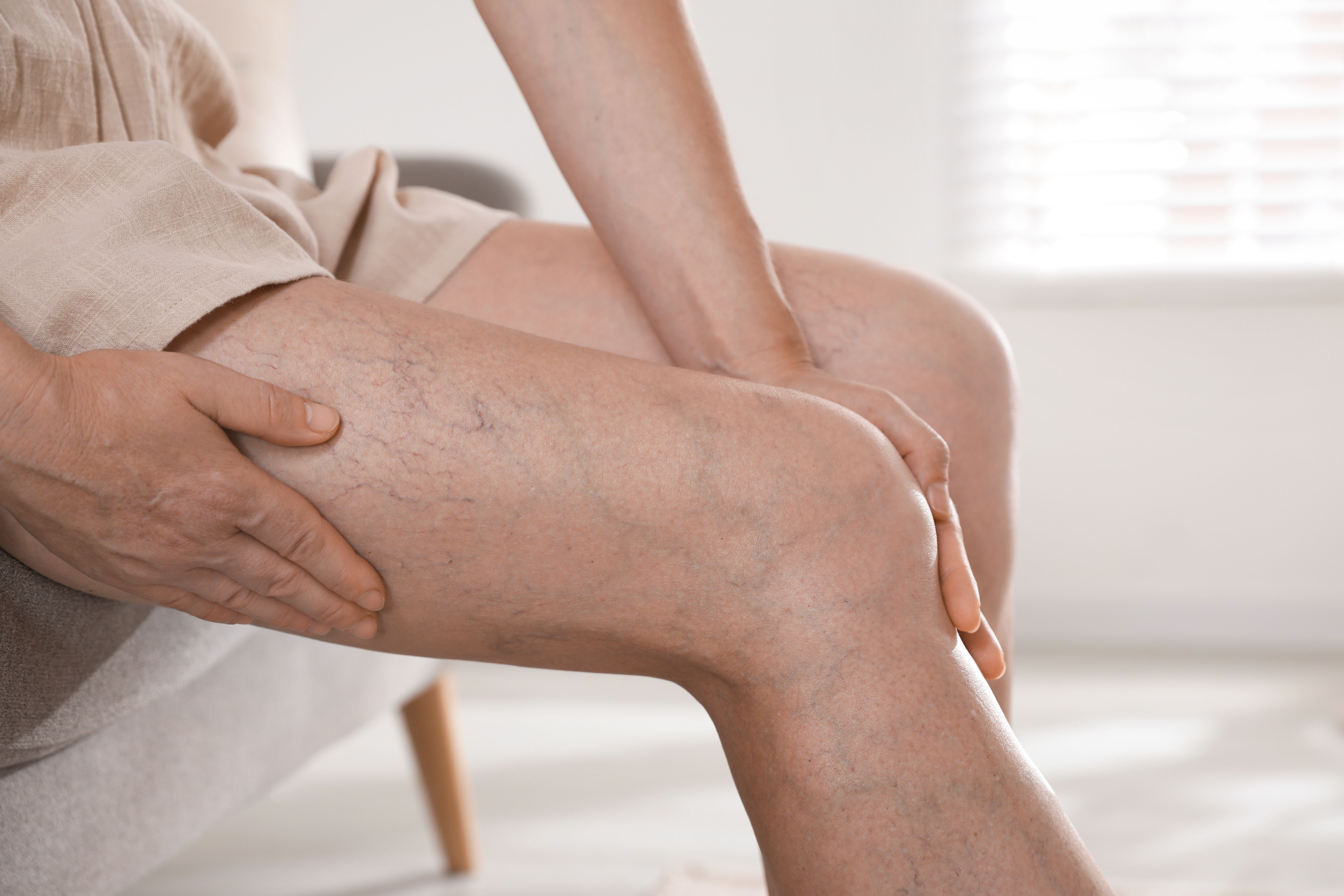
Chronic venous insufficiency occurs when the valves in your veins become weak or damaged. Over time, this results in vein wall distension and valve distortion, causing blood to pool in the veins and leading to swelling and discomfort, as well as the development of varicose veins or spider veins.
Chronic venous disease and hemorrhoids: some figures3-8
Hemorrhoids is one of the most common anorectal disorders globally, significantly impacting individuals’ quality of life and productivity. It is estimated that about 27% of the population will have hemorrhoidal disease at some point in their life. Prevalence is higher in women than in men, and highest in the African region.5 In parallel, the incidence of varicose veins in the Western population is estimated to be 25%-33% among women and 10%-40% among men.6
The coexistence of hemorrhoids and chronic venous disease is found in more than 50% of adult patients attending a consultation for hemorrhoidal complaints.3
This coexistence is more frequent as hemorrhoid severity increases: 58.2% when the hemorrhoids are considered severe (grade IV) compared with 43.1% when the hemorrhoids are considered mild (grade I).3 The severity of chronic venous disease is also strongly associated with hemorrhoid severity and recurrence.3
Moreover, it has been recently shown that hemorrhoids are associated with an increased risk of varicose veins. Similarly, varicose veins are associated with an increased risk of hemorrhoids. This reveals a significant bidirectional association between hemorrhoids and varicose veins. Their coexistence could imply the potential for additional associated diseases and adverse long-term outcomes.8
Patients with chronic venous disease have more severe and recurrent hemorrhoids than patients without chronic venous disease and are3:
- More frequently women (particularly due to pregnancy and number of births)
- Overweight
- Constipated
Chronic venous disease and hemorrhoids: how to explain the connection1-4,8,9
Chronic venous disease and hemorrhoids share a common cause: the loss of blood vessel integrity. This leads to blood pooling in the veins, resulting to congestion and dilatation. In the legs, this condition manifests as varicose veins or spider veins; in the rectum, it results in hemorrhoids.
Chronic venous disease and hemorrhoids: the overlapping risk factors3,4,8,9
As previously explained, hemorrhoids are usually the result of increased pressure in the veins of the lower rectum, which can occur due to:
- Straining during bowel movements.
- Constipation.
- Diarrhea.
- Standing for extended time.
- Overweight and obesity.
- Chronic coughing.
- Regularly lifting heavy objects and weightlifting.
- Pregnancy and delivery.
Many of these risk factors, which affect vein health and circulation, are also involved in the development of chronic venous disease. Addressing these common risk factors through lifestyle changes and home-based remedies can significantly reduce your chances of developing either condition.
Similarly, lower extremity chronic venous insufficiency is more common in patients with hemorrhoidal disease, which increases intra-abdominal pressure. A chronic increase in this pressure causes conditions, such as constipation, that trigger both lower extremity chronic venous insufficiency and hemorrhoidal disease.9
Hemorrhoid symptoms: a warning signal to consider8,9
Although hemorrhoid symptoms are not always a sign of venous diseases, they can serve as a warning signal if paired with other symptoms, including:
- Swelling in the legs or ankles.
- Visible varicose veins or spider veins.
- A feeling of heaviness, cramping, or aching in the legs.
- Discomfort worsens after standing or sitting for extended periods.
If you notice the previous symptoms alongside hemorrhoid symptoms, it is important to consult a doctor to check if you are dealing with venous insufficiency or other venous diseases.